building your hiring process
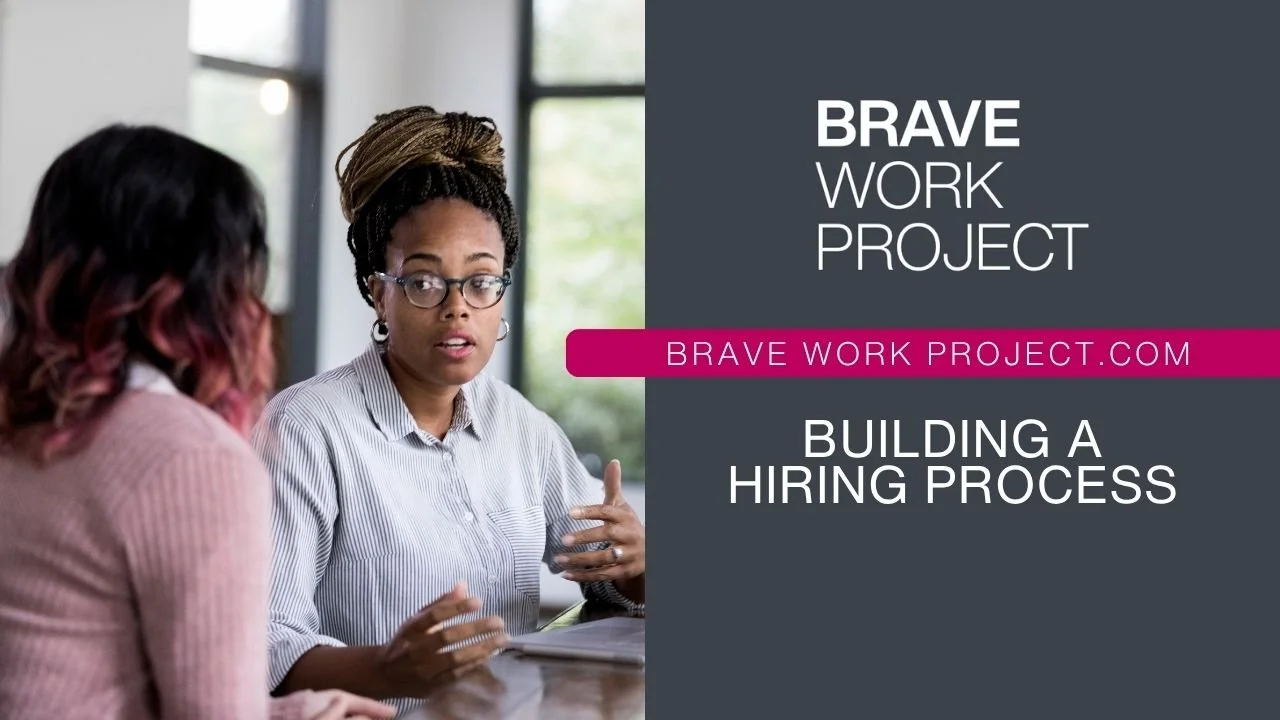
Is Your Hiring Process Legal + Compliant?
Most small businesses don't have a hiring process. They have a hiring habit — post a job, collect resumes, do some interviews, make an offer to whoever felt right. It works until it stops working, and by the time it stops working, the cost is already visible in turnover, underperformance, and the time spent managing both.
Building a real hiring process for a small business doesn't require an HR department. It requires deciding in advance what you're actually looking for and creating a consistent way to evaluate it.
Build Out A Functional Hiring Process
Here's what a functional hiring process for a small business actually includes:
Role definition before the search opens. Not just a job description — a clear picture of what success looks like in this role at 30, 60, and 90 days, what decisions this person will own, and what skills are genuinely required versus nice to have. This step gets skipped most often and causes the most downstream problems.
A structured interview format. Every candidate for the same role should be asked the same core questions, evaluated against the same criteria, and debriefed using the same framework. This isn't about making hiring robotic — it's about making sure you're comparing candidates to a standard rather than to each other.
A defined evaluation rubric. Before interviews happen, decide what you're weighting and why. Skills, experience, and role-specific competencies should be assessed separately rather than collapsed into a general impression.
A compliant offer process. In some states like California, this includes pay transparency requirements for companies with 15 or more employees, written offer letters that don't inadvertently create implied contracts, and a background check process that complies with fair chance hiring ordinances where applicable.
An onboarding handoff. The hiring process doesn't end when someone signs an offer letter. What happens in the first 30 days determines whether the hire succeeds or fails, and that needs to be designed rather than improvised.
Brave Work Fractional Operations + HR support includes building this infrastructure as part of a retainer engagement. If hiring is a current pain point, it's typically one of the first things we address, and often one that we can build out in under a week—removing your hiring bottlenecks.